Cover Site Prep & Utilities: The Austin Owner’s Guide
If your Cover ADU’s site prep or utility connection has failed or is degrading, we stock and install Cover-compatible components in the Austin area. Typical installed repair work runs $850 – $2,400 depending on whether we’re addressing grade settlement, re-running a utility stub, or replacing corroded connection hardware. Owners usually discover these problems during a wet season, when drainage stops working or a breaker starts tripping on a line that ran fine for a year.
Fielding ADU Builders is an independent Austin contractor. We are not affiliated with Cover, but our techs work on Cover units regularly because we understand how their prefab approach interfaces with site-built systems.
Key Takeaways:
- Cover site prep and utility failures in Austin most often trace to expansive clay soil movement or undersized initial stubs.
- We carry Cover-spec fittings, flex connectors, and utility termination hardware on our trucks.
- The written price you approve before work starts is the number on the final invoice, no exceptions.
- Every repair we do is backed by the Garrison Standard: one full year, in writing, with a free second visit if it fails.
Which Cover Models This Applies To
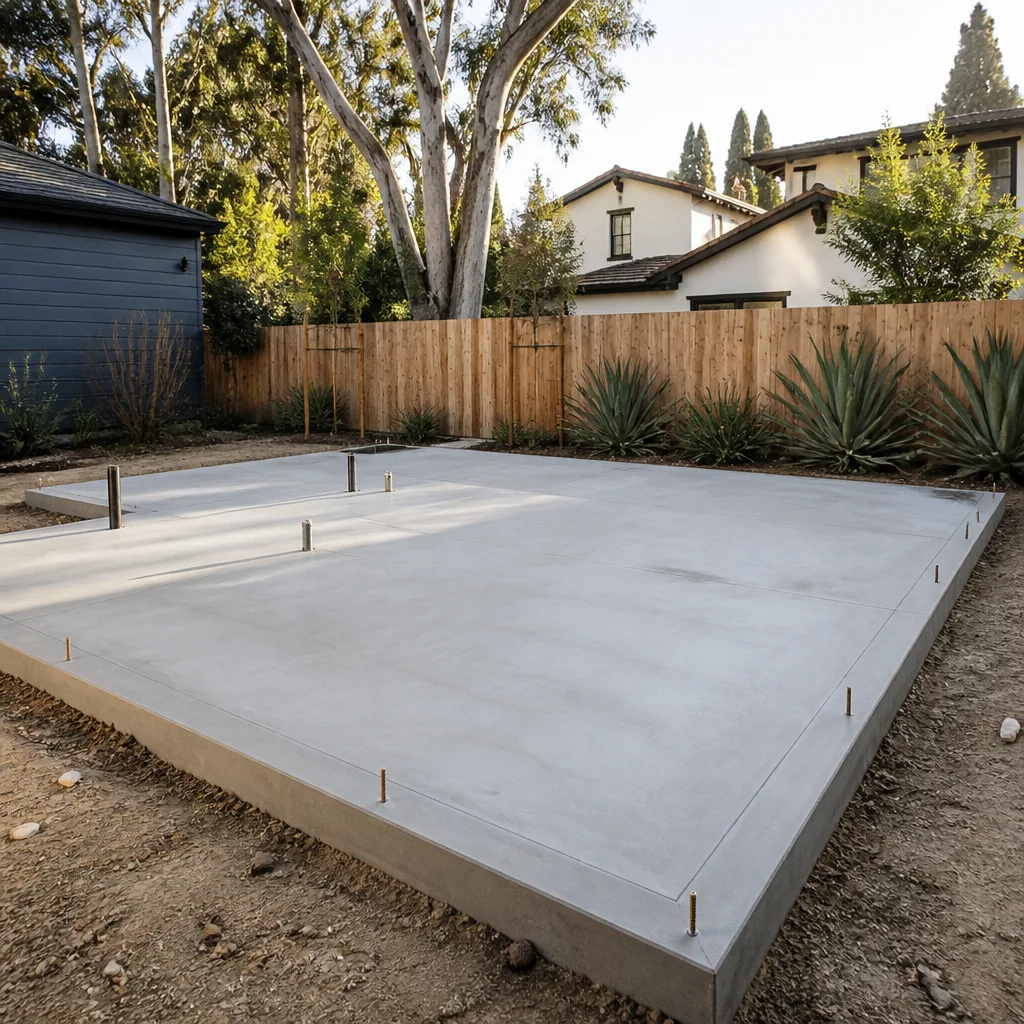
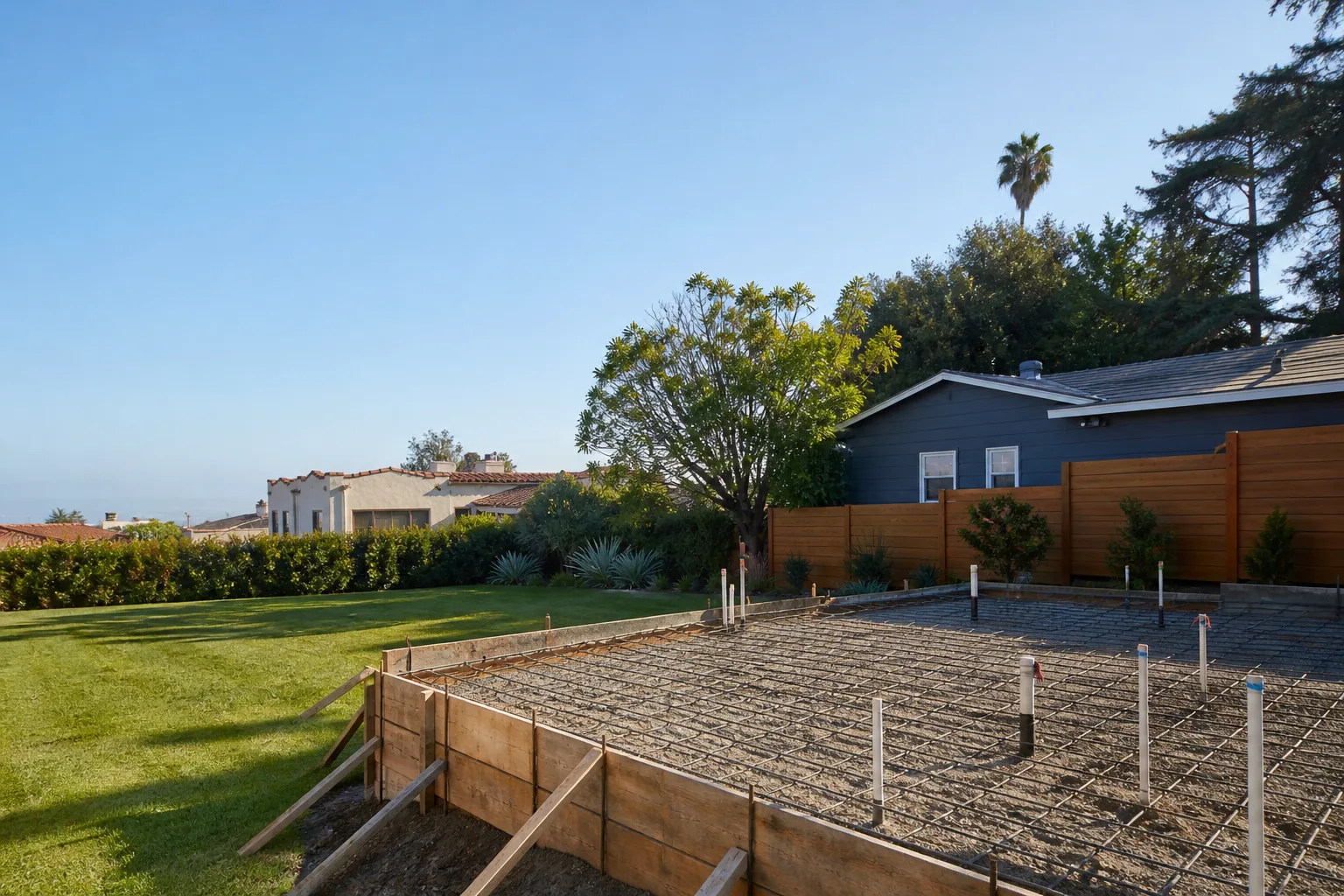
Cover produces panelized, factory-built backyard homes that ship flat and assemble on a prepared foundation. The site prep and utilities category covers everything below the unit’s floor line: foundation pads, pier systems, anchor bolts, sewer stubs, water supply lines, electrical service entries, and the connecting hardware that bridges the factory-built core to the site-built connections. Whether your Cover is a one-bedroom studio or a two-bedroom layout, the connection points are similar. What varies is the foundation spec Cover engineering approved for your lot, which determines the depth, width, and reinforcement of the piers or slab.
To identify the right parts, look at the approved site plan Cover provided at permit time. It lists the utility entry points and the foundation schedule. If you don’t have that document, the physical labels on the stub-outs or the connection box under the unit will carry the spec. We match those specs to OEM hardware where it’s still available, or to load-rated aftermarket equivalents from Simpson Strong-Tie and similar suppliers when OEM lead times don’t make sense. Aftermarket hold-downs and anchor hardware are commodity parts, but the flex connectors and weatherproof utility boots are one area where we recommend staying with Cover’s specified part or a direct equivalent. A boot that doesn’t seat correctly on the panel seam will leak, and by the time you see the water stain indoors, the repair cost has doubled.
Signs Your Cover Site Prep & Utilities Is Failing
- Doors or windows start binding. This usually means one corner of the unit has settled slightly. In Austin’s Blackland Prairie clay, differential movement of a few millimeters is common when pier footings were sized by the book but the soil moisture swung hard between drought and wet season.
- Water pooling under or near the unit after rain. Site drainage that worked at install can fail as the grade shifts or silt builds up. This is the single most common issue we see on Cover units in East Austin and the Mueller area, where clay content is high.
- A breaker trips repeatedly on a circuit that ran fine before. Utility stubs that flex with soil movement can stress the connection inside a junction box. Loose connections generate heat, and heat trips breakers. An electrician should address this, not a YouTube video.
- Sewer odor near the unit or slow drains. The sewer stub from the unit to the main is a common failure point. Clay soil expansion can crack a PVC joint, or a poorly bedded line can sag and hold water. The fix is usually a section replacement, which requires access and proper grading.
- Visible corrosion on anchor bolts or connection plates. Austin’s humidity and occasional freeze-thaw cycles accelerate rust on exposed hardware. Once the galvanized coating is compromised, the fastener is working on borrowed time. Replacement is cheap at this stage. Ignoring it is not.
Replacement Cost & What’s Included
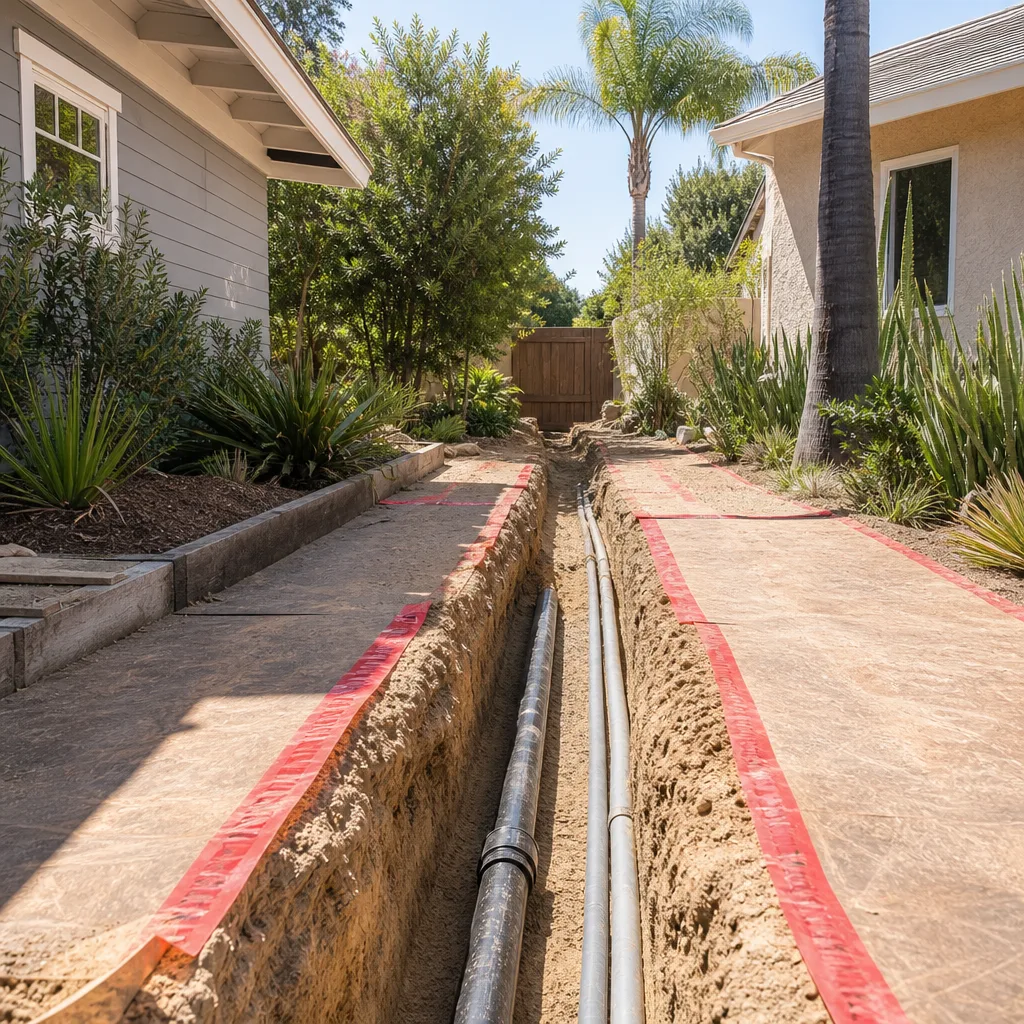
Installed pricing for Cover site prep and utility repair in Austin falls in predictable bands. A single utility connection repair, like re-terminating an electrical stub or replacing a sewer joint, runs $850 – $1,400. Foundation shimming or pier adjustment runs $1,200 – $1,800 if we’re correcting settlement on two or three points. Full site re-grade with drainage correction and utility re-stubbing runs $1,800 – $2,400, though it can go higher if we’re cutting into an existing slab or trenching through rock. Austin’s limestone shelf starts shallow in the western parts of town, which makes trenching slower and more expensive than in the sandy loam east of 35.
Every quote includes the parts, the labor, the haul-off, and a written scope of work that lists exactly what we’re doing. The Garrison Standard covers workmanship for 365 days after completion. If something we touched fails in that window, we return and correct it at no charge. That’s on paper before you sign anything.
DIY or Call Us?
The honest split on this one: if you’re looking at standing water after a rain, you can safely clear debris from a surface drain or check that downspout extensions are still angled away from the unit. That’s basic, safe, and worth doing before you call anyone. Anything involving the electrical service entry, the sewer line, or anchor hardware under the unit is not DIY territory. Electrical work near a utility stub carries real risk of shock or fire, and an improperly bedded sewer repair will fail again but cost more the second time because now you’re also fixing damage from the first failure.
If the problem is beyond a clogged surface drain, call us at (361) 309-9568 and we’ll send a tech to look. The diagnosis visit is straightforward, and you’ll get a written price before any work starts. Put it in writing, then do what it says.
FAQs
Foundation and utility stubs on a properly installed Cover unit should last 25 to 40 years before any significant intervention. The exception in Austin is drainage, which often needs attention within 5 to 10 years as silt builds up and soil shifts. The lifespan difference is weather-driven: our wet/dry cycles and expansive clays stress the site-built components much harder than the factory-built unit itself. Call (361) 309-9568 if you suspect your drainage is at the end of its useful life.
Sometimes a repair is the right call, especially with a sagging sewer stub that just needs re-bedding or an electrical connection that needs re-torquing. Anchor bolts and corroded plates, though, are replace-only items. We’ll tell you which is which and give you a price for each option in writing. Call (361) 309-9568 for an exact assessment.
Most single-connection repairs are one-day jobs once we’re on site. Pier adjustments and drainage re-grades run two to three days including inspection scheduling. We coordinate with the City of Austin permitting office so inspections don’t stall the schedule. Call (361) 309-9568 and we’ll give you a realistic timeline for your specific issue.
We carry common Cover-compatible fittings, flex connectors, anchor hardware, and utility boots on our trucks. Special-order items are usually in hand within three to five business days. We also maintain working knowledge of Abodu and Dvele systems for clients weighing different prefab paths. Call (361) 309-9568 to confirm current stock availability.
Written by Reed Calloway, Owner, Fielding ADU Austin at Fielding ADU Austin, serving Austin and nearby areas.