Plant Prefab Site Prep & Utilities: The Austin Owner’s Guide
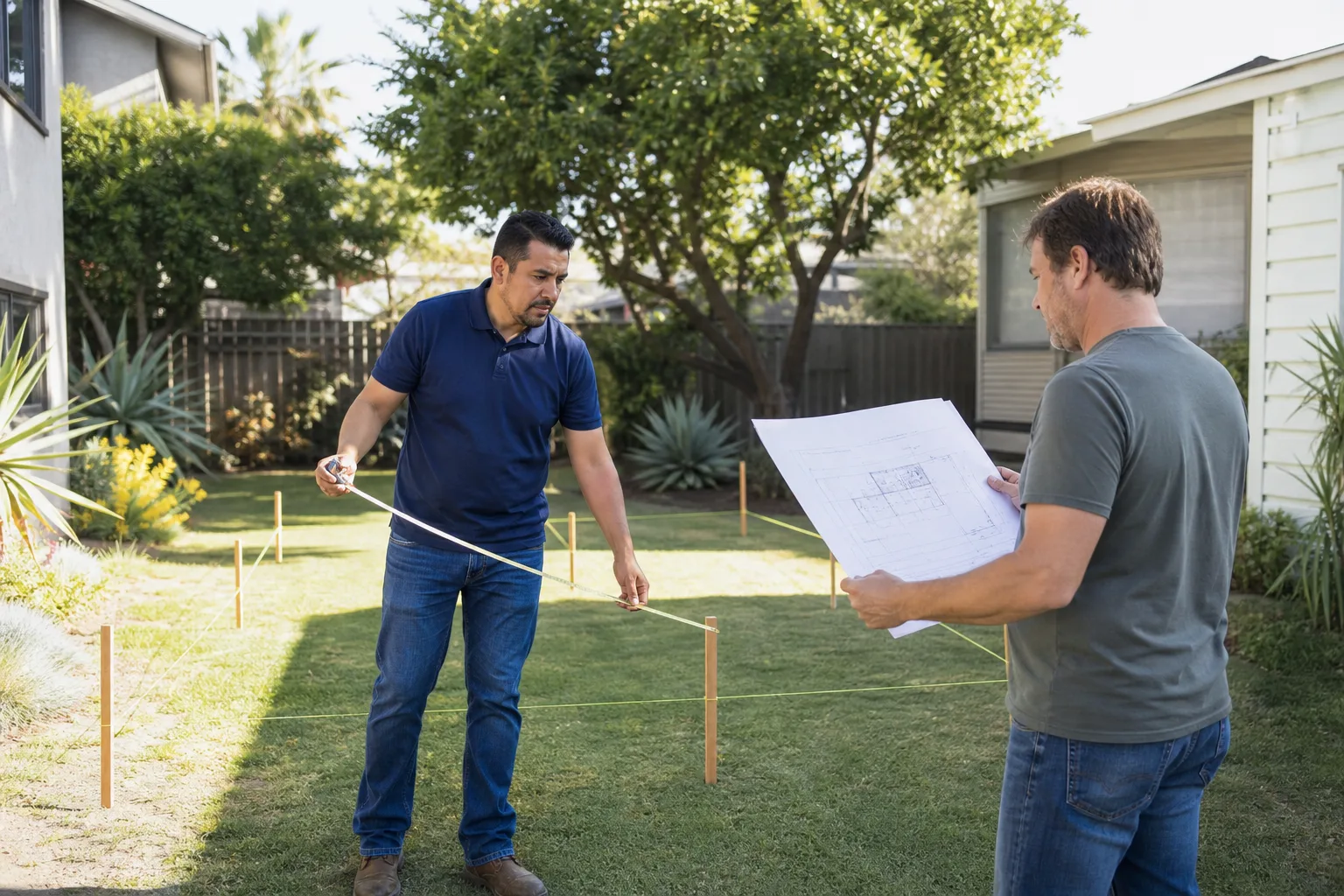
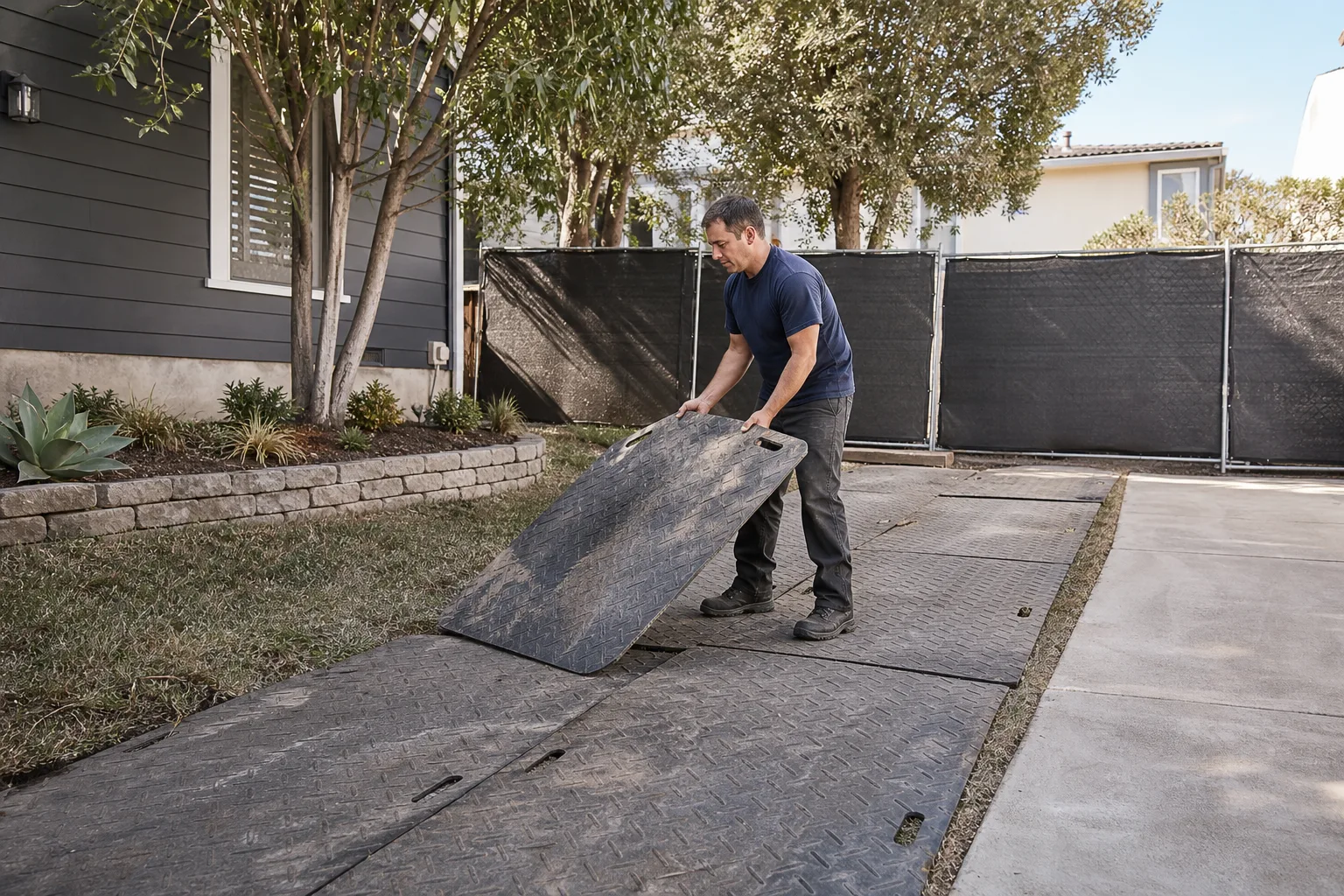
Plant Prefab site prep and utility work in Austin typically runs $18,000 – $45,000 installed, depending on lot conditions, trenching distance, and what the city requires on your specific parcel. We handle this phase end-to-end: demolition if needed, excavation, foundation or piers per Plant Prefab’s stamped engineering, utility trenching and hookups, and the final connection day when the modules arrive. Most owners discover a problem when the city flags a permit deficiency, the foundation survey comes back off-spec, or the utility trench fails inspection because it wasn’t bedded correctly in Austin’s expansive clay. If you’re holding a Plant Prefab order and the site work wasn’t scoped honestly, that’s the call we get most.
Which Plant Prefab Models This Applies To
This applies across Plant Prefab’s current catalog: the LivingHome series (YBDK, YS, C6, and custom LivingHome configurations), the ADU series, and the multi-family panels they ship for larger projects. Every Plant Prefab module arrives on a steel chassis or as panelized wall and roof cassettes that bolt to a foundation system specified in the engineering set. The site work has to match those drawings exactly. The gotcha we see in Austin: Plant Prefab’s standard foundation drawings often assume a soils condition that doesn’t match what we actually have here. Austin’s east side sits on Blackland Prairie clay that expands 10 – 15% between dry and wet seasons. West Austin limestone ledge requires rock excavation that some site-prep quotes never include. We routinely pull the geotech report first, then adjust pier depth or slab reinforcement before we quote, not after. If you’re comparing aftermarket foundation engineering versus the OEM spec, the right answer in Austin is usually OEM drawings with local soils modification layered on top, not a generic slab poured to code minimum.
Signs Your Plant Prefab Site Prep & Utilities Is Failing
- Foundation movement you can measure. Doors inside the module start binding, drywall cracks at the corners, or you can slip a quarter under the sill plate in one corner but not another. This means the piers or slab are moving independently. In Austin clay, this shows up within two full wet-dry cycles if the soil wasn’t prepped and compacted right.
- Water pooling against the foundation edge. Grade wasn’t sloped away from the structure, or the French drain was installed without proper fall. Austin gets 34 inches of rain a year, and it comes in bursts. A foundation that sits in standing water is a warranty claim waiting to happen.
- Utility trench settling. A visible depression running from the street to the unit means the trench backfill wasn’t compacted in lifts. Sewer lines and conduit can shift, crack, or separate. You’ll see this as a sunken stripe across the yard within a year.
- Low water pressure or slow drains after heavy rain. The supply or waste line wasn’t bedded in sand, and the clay shifted it. Austin’s clay shrinks when dry and swells when wet; an unbedded PVC line gets squeezed like a straw.
- Electrical panel tripping during storms. The service conduit from the meter to the unit wasn’t sealed at both ends, or the grounding wasn’t run to spec for Austin Energy’s service requirements. Wet clay conducts stray current in ways dry soil never does.
Replacement Cost & What’s Included
Full site prep and utility installation for a Plant Prefab ADU in Austin typically lands between $18,000 and $45,000. The swing comes from four things: trenching distance from the main service and sewer tap, whether we hit rock or clay, whether the city requires a retaining wall or a drainage swale, and whether your lot already has a usable foundation pad or we’re starting from raw ground. A straightforward flat-lot install with short utility runs on existing infrastructure might come in at $18,000 – $24,000. A hillside lot on the west side with ledge excavation, utility extensions, and a retaining wall can push past $40,000. Every quote we write includes the excavation, compaction, foundation per Plant Prefab’s engineering set, utility trenching, meter and panel tie-ins, plumbing and sewer connections, grading, and the final survey and inspection. The price goes in writing before we move a single yard of dirt, and the number you approve is the number on the final invoice. If we find something during excavation that changes the scope, we stop and put the change in writing with a price before we keep going. No change orders at the door.
DIY or Call Us?
You can do your own research, pull your own geotech report, and mark out your own utility easements. Those won’t hurt you. But trenching, foundation work, and utility connections for a Plant Prefab build are not DIY territory. Underground power lines, gas service, and sewer taps in Austin require permits, licensed trades, and inspections. Austin’s permitting process for utility connections is specific: Austin Energy handles the electric service side, Austin Water handles water and sewer, and both require their own inspections before we can backfill. Get any of that wrong and you’re re-trenching, re-permitting, and paying twice. We pull the permits, schedule the inspections, and verify the backfill compaction with density testing so the trench doesn’t settle into a sunken stripe across your yard. If you want to be involved, we’ll walk you through every inspection result. If you want it done right and done once, call (361) 309-9568 and we’ll put the whole scope in writing.
FAQs
For a standard ADU lot, plan on 3 to 6 weeks from first excavation to the day the site is ready for module delivery. That includes utility trenching, foundation curing time, inspections, and backfill compaction. Rock excavation or a retaining wall adds time. We’ll give you a week-by-week schedule in the written scope, so you know exactly when the crane day is coming.
Sometimes. If the issue is limited to trench settling or grading, we can usually correct it by recompacting and re-grading without touching the structure. If the foundation itself is moving, that’s a pier-and-beam adjustment or a slab underpin, and it’s a bigger job. We’ll tell you which one you actually have after we put a level on it. Call (361) 309-9568 and we’ll take a look at no charge.
We keep the common consumables on hand: compaction sand, bedding material, utility conduit, weatherproofing, and standard anchor hardware. Foundation systems and panel connections are ordered per job from Plant Prefab’s engineering set, because every lot’s spec is different. We don’t use generic substitutes where Plant Prefab’s drawings call for a specific product.
Not without a written change order that you approve first. If we hit rock the survey didn’t show, or Austin requires something we couldn’t have known at quote time, we stop, write it up, and put the new number in front of you before we keep moving. You decide. The one number you approve on day one stays the number unless you approve a change in writing.
Yes. We pull every permit required for the site work: building, electrical, plumbing, and any drainage or right-of-way permits the city requires. We schedule and sit the inspections with Austin Energy, Austin Water, and the city building department. You don’t chase inspectors. Call (361) 309-9568 for a free estimate on your Plant Prefab site prep in Austin.
Fielding ADU Builders is an independent Austin service provider, not affiliated with Plant Prefab. We also work with Abodu, Cover, and Dvele platforms when the project calls for it. Every job we take runs on The Garrison Code: show up in the window, price in writing, by the book, leave it clean, stand behind it for a year. That’s how we’ve built since 2006, and it’s how we’ll build your Austin site work. Put it in writing, then do what it says.
Written by Reed Calloway, Owner, Fielding ADU Austin at Fielding ADU Austin, serving Austin and nearby areas.