Tuff Shed ADU Design & Permitting: The Austin Owner’s Guide
If you own a Tuff Shed and want to convert it into a legal ADU in Austin, the design and permitting work typically runs $4,500 to $12,000 depending on lot conditions, existing slab condition, and how much structural retrofit the shed needs. We handle the full process, from as-built drawings through final inspection, and most Tuff Shed conversions clear Austin permitting in 8 to 14 weeks. Owners usually find us after their first attempt stalls: the city kicks back drawings for missing details, or a contractor tells them a Tuff Shed simply can’t be permitted. It can, but it takes someone who knows what Austin’s reviewers actually look for.
Which Tuff Shed Models This Applies To
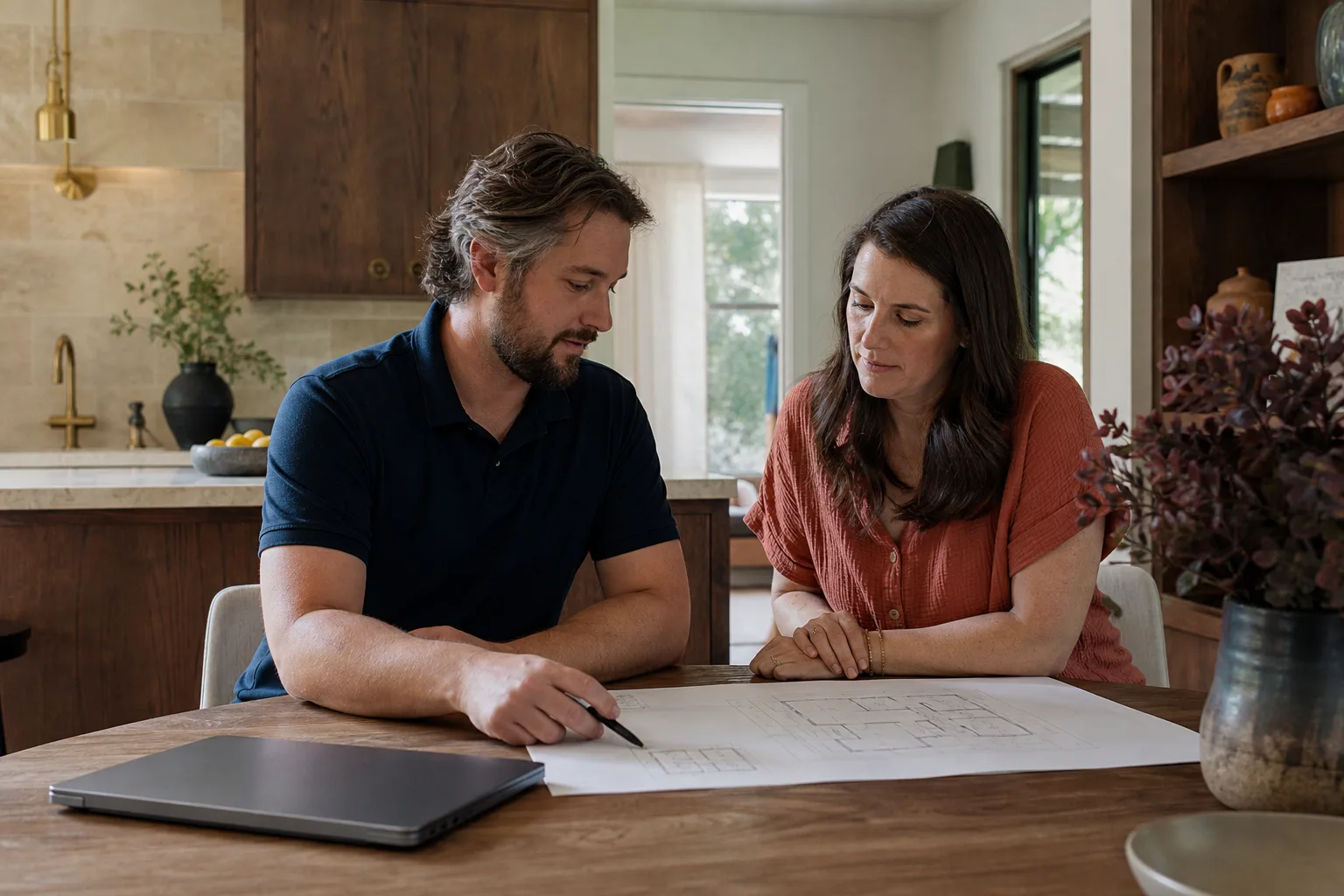
We work with Tuff Shed’s Premier Pro, Premier Ranch, and Pro Ranch lines most often. The Premier Pro series is the most common starting point for an ADU because it comes with floor joists rated for heavier loads and offers taller wall heights, typically 7′ to 10′. The Ranch lines are lighter-duty, and while they can sometimes be converted, the retrofit usually costs more because the floor system needs reinforcement before Austin will sign off on it as habitable space.
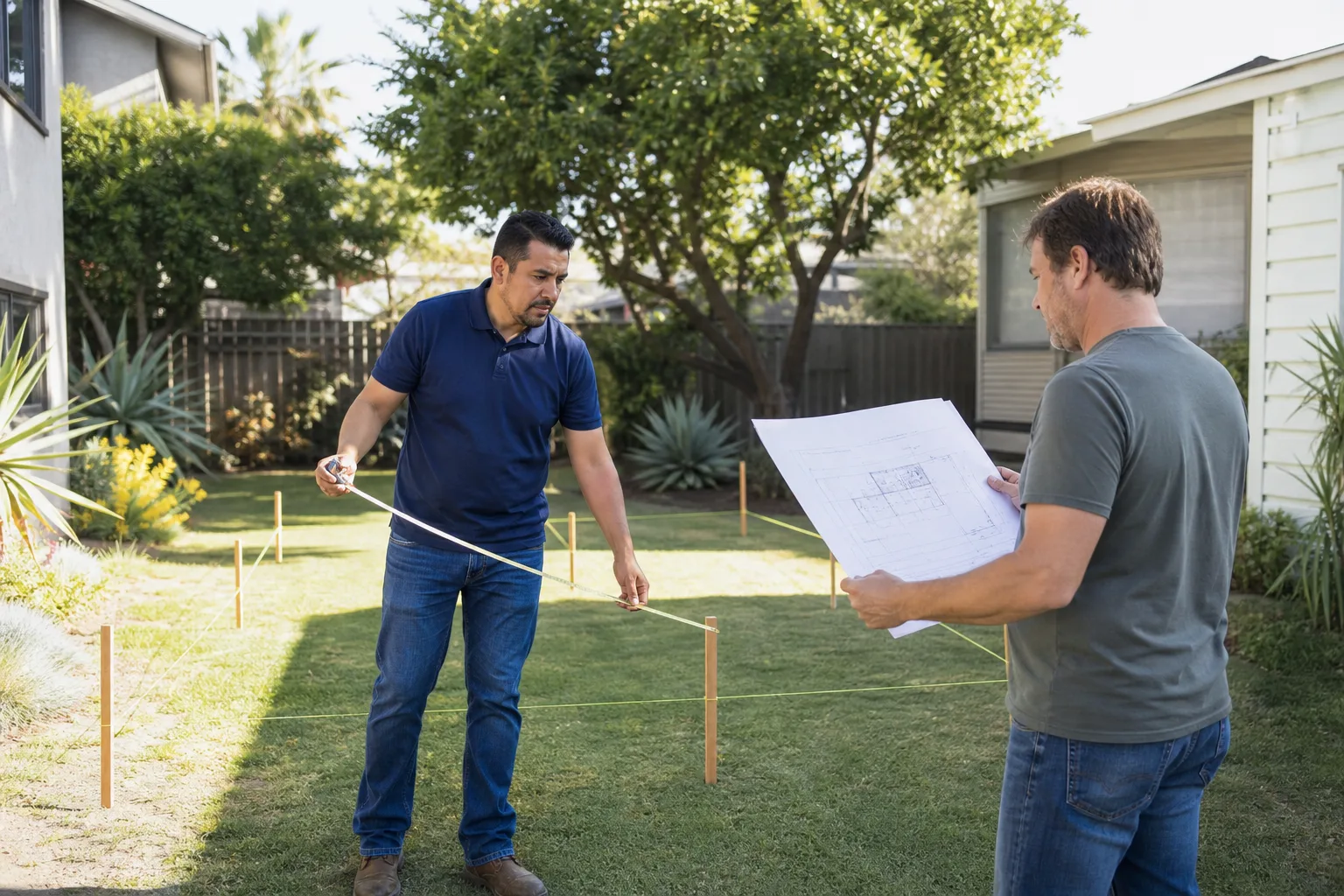
The critical compatibility issue for any Tuff Shed conversion is the slab or foundation underneath it. Austin’s permitting reviewers want to see that the shed sits on a foundation rated for an accessory dwelling unit, not just a storage shed. Many Tuff Sheds in Travis County were installed on gravel pads or thin slabs that don’t meet the residential load requirements. Before any design work starts, we measure the existing slab thickness and check the anchor bolt pattern. If the slab is under 3.5 inches or lacks proper anchors, you’re looking at a new foundation or slab retrofit before the ADU permit will move. That’s the single biggest cost variable in these projects, and it’s the one that surprises owners the most.
For the parts and materials side of this: if your Tuff Shed needs replacement structural components or new wall assemblies, we use OEM Tuff Shed parts where they exist and quality aftermarket equivalents where OEM isn’t available. Tuff Shed does not sell direct to independent contractors for most trim, flashing, and hardware items, so we stock compatible replacements from suppliers we’ve vetted on Austin jobs. The honest answer is that OEM matters for things like door hardware and window flashings where the dimensions are proprietary; for studs, sheathing, and electrical rough-in components, code-compliant aftermarket materials do the job and often cost less.
Signs Your Tuff Shed ADU Design & Permitting Is Failing
- Permit rejection letters citing missing structural details. Tuff Shed structures don’t come with engineering documentation suited to ADU conversion, so the drawings most owners submit lack the load calculations Austin requires. The fix is a stamped structural review and proper as-built drawings.
- Floor bounce or sag near the center of the shed. The original floor framing was selected for storage loads, not for a kitchenette, bathroom, and furniture. Austin reviewers will flag this, and it’s a sign the joist system needs reinforcement or replacement.
- Condensation on the interior walls or ceiling. Shed-grade wall assemblies don’t include the vapor barriers and insulation Austin requires for a habitable dwelling. This is a design problem that must be solved in the drawings, not just patched on site.
- Austin Energy won’t set a meter because the structure lacks a permanent foundation designation. This is a paperwork and site condition issue. The ADU permit process requires the structure to be reclassified, and the foundation is part of that.
- You’ve been told by a contractor that the shed “just needs to be torn down.” That’s usually wrong. We’ve converted Tuff Sheds in South Austin, Pflugerville, and out toward Dripping Springs that other builders walked away from. The structure often needs work, but the bones can be sound.
Replacement Cost & What’s Included
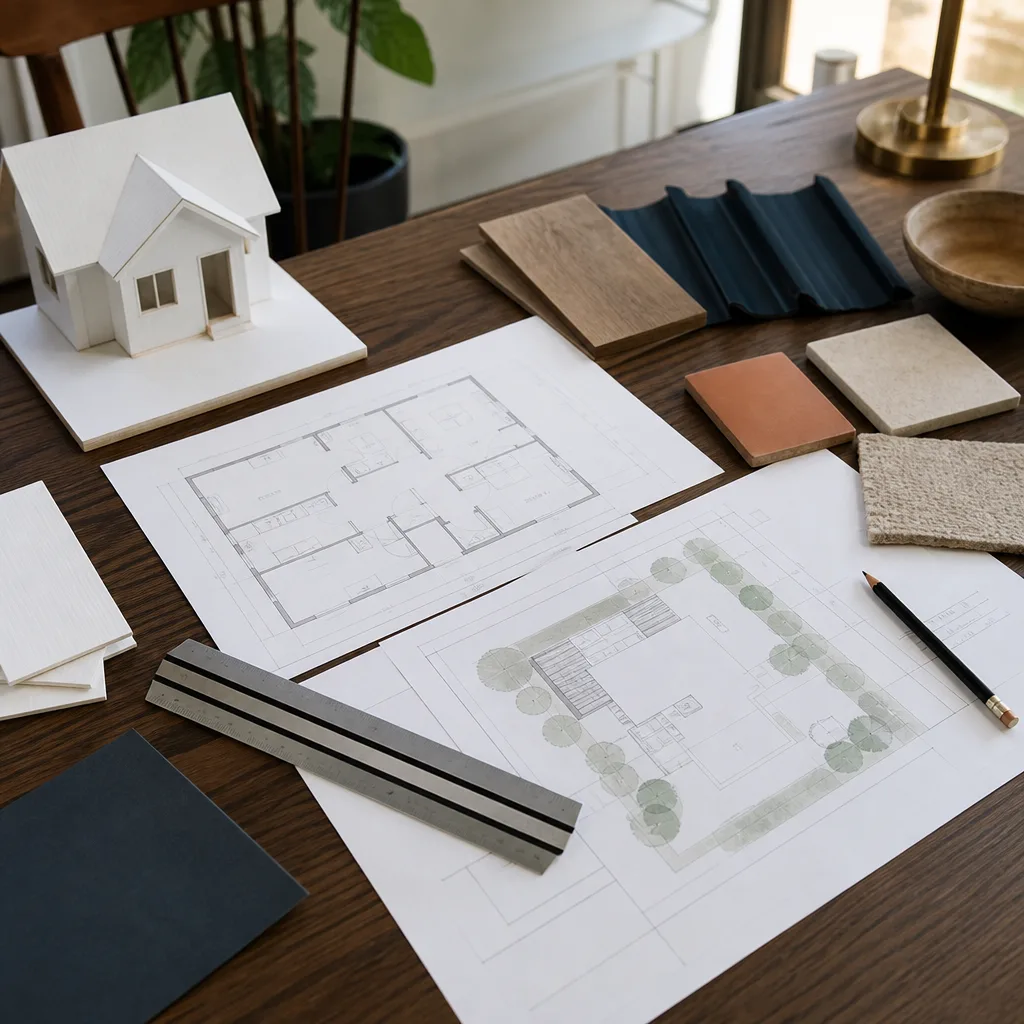
Here’s what we quote in Austin, and what each line item covers:
- As-built drawings and site survey: $1,200 to $2,200 depending on lot size and topography.
- Structural engineering review and stamps: $1,000 to $2,500 if reinforcement is needed; less if the original slab and framing pass.
- Austin permitting fees: $800 to $1,800 depending on project valuation and impact fees.
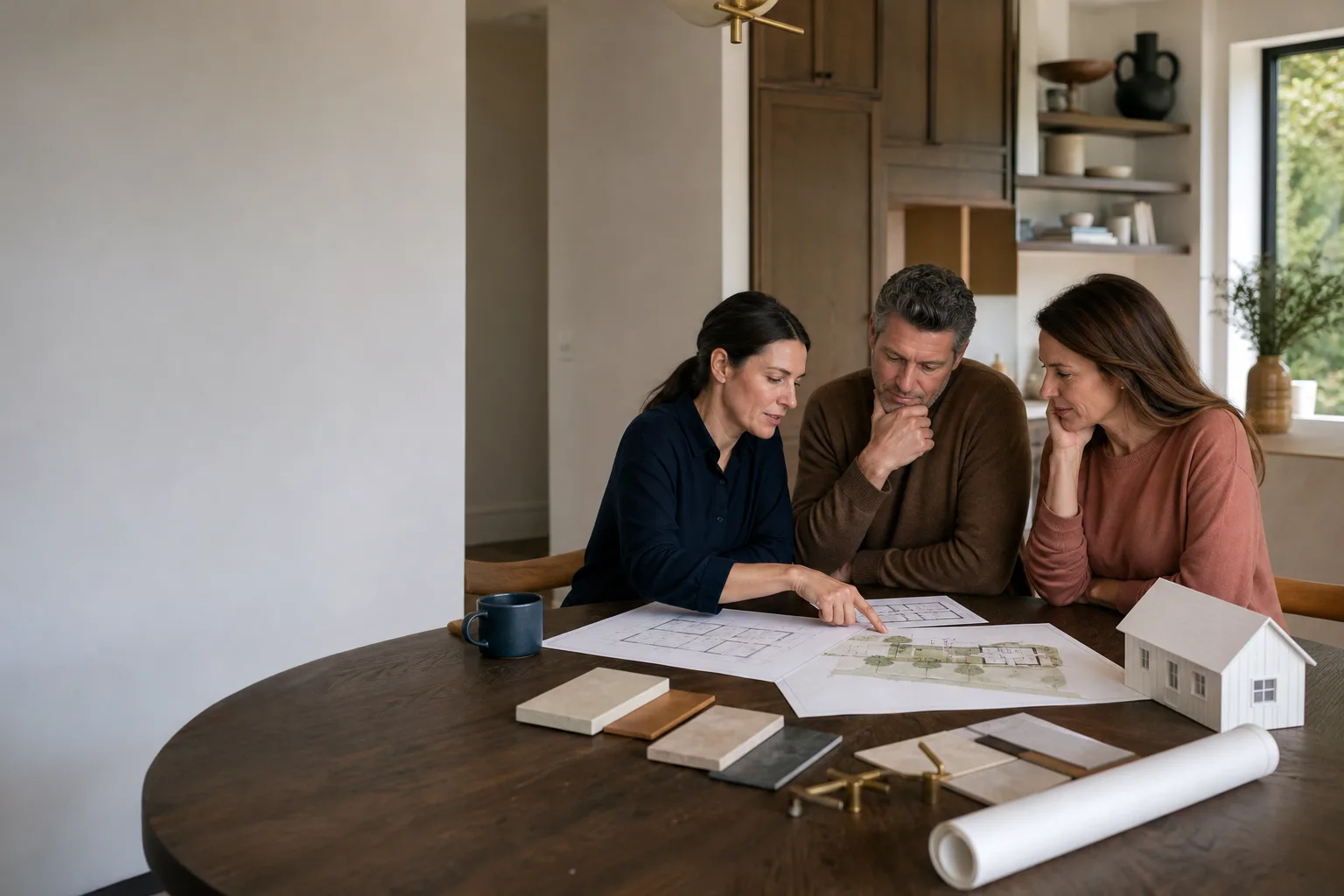
- Design and material specification package: $1,500 to $3,500 for the full set of drawings, energy calcs, and finish schedules.
- Slab retrofit or new foundation piering (if required): $3,000 to $9,000. This is the range where projects either stay in budget or blow past it, and it’s why we confirm foundation condition before we quote.
The total design and permitting phase, before any construction labor, typically lands between $4,500 and $12,000. We put every number in writing before we start. The Garrison Standard applies here exactly like it does on our full builds: written price first, no change orders unless you approve them in writing, and a full year of coverage if the work doesn’t hold up. Reed Calloway writes the scopes on these projects himself, because a Tuff Shed conversion scope that misses one detail will cost you six weeks on the back end.
DIY or Call Us?
You can pull your own property survey from the Travis County records and measure your slab yourself. If you want to save money, have those two things ready when you call. What you shouldn’t do is attempt the structural engineering or the permit drawings on your own. Austin’s Commercial and Residential Plan Review team reviews ADU submittals line by line, and a missing load path calculation or an incorrect wall assembly note will bounce your application and reset your clock. We’ve seen owners lose three to four months going back and forth with the city over details a reviewer would have passed on the first round. That’s not a knock on the owners; it’s just not their trade. If your Tuff Shed has any electrical planned, or if the conversion requires cutting new window or door openings in load-bearing walls, that is not a DIY project. We hold to the same rule on every job: show up in the window, price in writing, by the book, leave it clean, stand behind it for a year. Call (361) 309-9568 and we’ll walk the site and tell you what you’re working with.
FAQs
Most Tuff Shed to ADU conversions in Austin clear permitting in 8 to 14 weeks from submittal to approval. That assumes a complete drawing set with structural stamps and no back-and-forth with reviewers. Incomplete submittals routinely double that timeline, which is why we front-load the documentation. Call (361) 309-9568 and we’ll give you a realistic schedule for your specific site.
Yes, if the foundation and framing can be brought to residential code. Some Tuff Sheds with heavy floor joists and proper anchors convert cleanly; lighter Ranch models usually need floor reinforcement and a slab upgrade. The only way to know is a site inspection of the existing structure, which we include before quoting. Call (361) 309-9568 to schedule that walk-through.
Often yes, at least partially. Austin requires habitable wall assemblies to meet insulation and vapor barrier standards that shed-grade construction doesn’t have. Depending on what Tuff Shed model you have, we may need to fur out the walls for insulation, add a vapor barrier, and rework the roof assembly. We’ll tell you exactly what’s required after we inspect it.
Not unless you ask us to do something new. The written price you approve covers the scope as defined. If Austin requires something we couldn’t have foreseen, we bring it to you in writing before we spend a dollar on it. That’s the Garrison Standard, and it’s how Fielding ADU Austin has operated since joining the Garrison Partners family: put it in writing, then do what it says.
Call Fielding ADU Austin
If you’re ready to find out whether your Tuff Shed can become a legal ADU in Austin, call (361) 309-9568. We’ll schedule a site visit, check the slab and framing, and give you a written price for the design and permitting scope. We also work with Abodu, Cover, and Dvele for owners comparing prefab options against their existing structure. Either way, you’ll know what the path costs before you commit to it.
Written by Reed Calloway, Owner, Fielding ADU Austin at Fielding ADU Austin, serving Austin and nearby areas.