Tuff Shed Junior ADU Conversion: The Austin Owner’s Guide
We stock and install Tuff Shed-compatible junior ADU conversion components across Austin, with most full conversions running between $85,000 and $135,000 including permits, insulation, drywall, electrical, plumbing, and finishes. The work is not same-day; a typical conversion takes 8 to 14 weeks depending on your shed’s condition and the city’s inspection schedule. Most owners call us after they’ve already tried to live with the space as-is for a year or two, then hit the wall: an AC unit that can’t keep up with a Texas August, condensation on the walls each winter morning, or an outlet that trips the breaker whenever anyone plugs in a space heater.
Here’s the straight answer: a Tuff Shed is a well-built shell, but a junior ADU is a habitable dwelling. The gap between those two things is where all the failed conversions we see actually live. And it’s a gap that’s fixable if the right work happens in the right order.
Key Takeaways
- Junior ADU conversion work on a Tuff Shed in Austin typically runs $85,000 to $135,000, permits included.
- The conversion pieces that fail first are almost always installed by someone who skipped the thermal break, the vapor barrier, or the proper electrical grounding.
- Fielding ADU Austin is an independent service provider, not affiliated with Tuff Shed, but we’ve worked on enough of their structures to know exactly what the platform needs.
- We price the work in writing before anything starts, per The Garrison Standard, and back it for 365 days.
Which Tuff Shed Models This Applies To
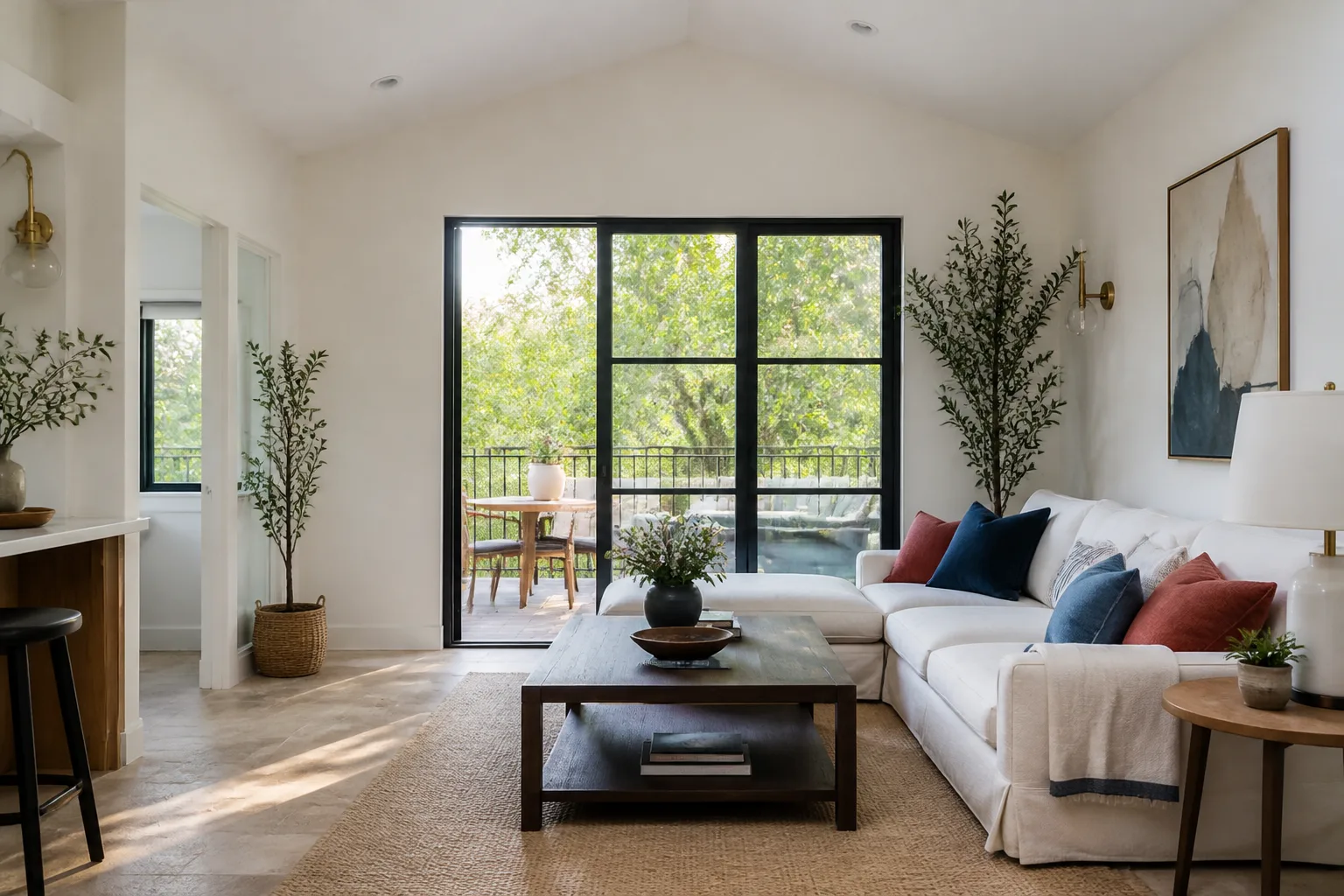
We convert the Premier Pro series, the Premier Tall Barn, and the Pro Studio models most often. Those three give a workable floor plate and enough wall height for the ceiling insulation and mechanical clearances that Austin code requires. The standard Premier series and the older Ranch model technically convert too, but you’ll spend more per square foot making them work, because the framing members are thinner and often need reinforcing before you can hang drywall and mount a mini-split.
How to identify what you have: look at the four corners where the wall panels meet the floor framing. Tuff Shed stamps the model name and production date on a metal plate inside the door jamb, usually on the hinge side. If yours is faded or gone, measure the wall stud spacing. Premier Pro and Pro Studio use 16-inch on-center framing with 2×4 studs; the older Premier runs 24-inch on-center and the studs are often green or undersized by current code. That’s a real compatibility gotcha, because an electrician who doesn’t check spacing will notch into a 24-inch stud wall and fail inspection the first time through City of Austin Development Services.
If you’re comparing OEM-spec conversion component kits against quality aftermarket materials, our take is this: Tuff Shed sells the shell, not the conversion. So there’s no official “Tuff Shed conversion kit” to buy. That means every conversion is a custom job, and every failed conversion we repair in Austin started with someone buying the cheapest siding, insulation, or window off a big-box shelf that didn’t match the shed’s real dimensions. We use aftermarket materials chosen for the specific model, and we write that list into your estimate line by line.
Signs Your Tuff Shed Junior ADU Conversion Is Failing
- Heavy condensation at the base of the walls each morning. This is the most common failure we see in Austin. The vapor barrier was installed on the wrong side of the wall assembly, or skipped entirely, and the morning humidity has nowhere to go but into your framing and your drywall. It shows up as water stains at the floor line before it shows up as rot.
- The breaker trips when you run a space heater, microwave, or window AC. Tuff Shed shells are wired as storage buildings, not dwellings. If the conversion didn’t include a subpanel upgrade and a ground-fault arc-fault circuit setup, the system is undersized the first time you plug in an appliance. Austin code treats a junior ADU as a dwelling unit, and the electrical section is not negotiable.
- The skylights or ridge vents leak in a hard rain. Tuff Shed’s factory venting is designed for passive airflow in an unheated structure. Once you insulate and seal the space, those vents become water entry points and condensation traps. We seal the ridge and replace the factory skylight with a flashed, code-rated unit on nearly every conversion we do.
- You can smell the shed’s original pine tar or paint off-gassing in summer. That means the wall cavities were not properly sealed before insulation went in. In a Texas summer, the heat drives those volatiles through the interior surface. It’s not a health hazard in every case, but it’s a sign the envelope work was incomplete.
- Ants, roaches, or mice are finding their way in through the sill plate seams. The factory floor framing is not pest-sealed for residential use. We install a proper sill gasket and rodent barrier at the base plate during conversion, because Austin’s soil moisture and insect pressure will find every gap in a storage-grade shell within one season.
Replacement Cost & What’s Included
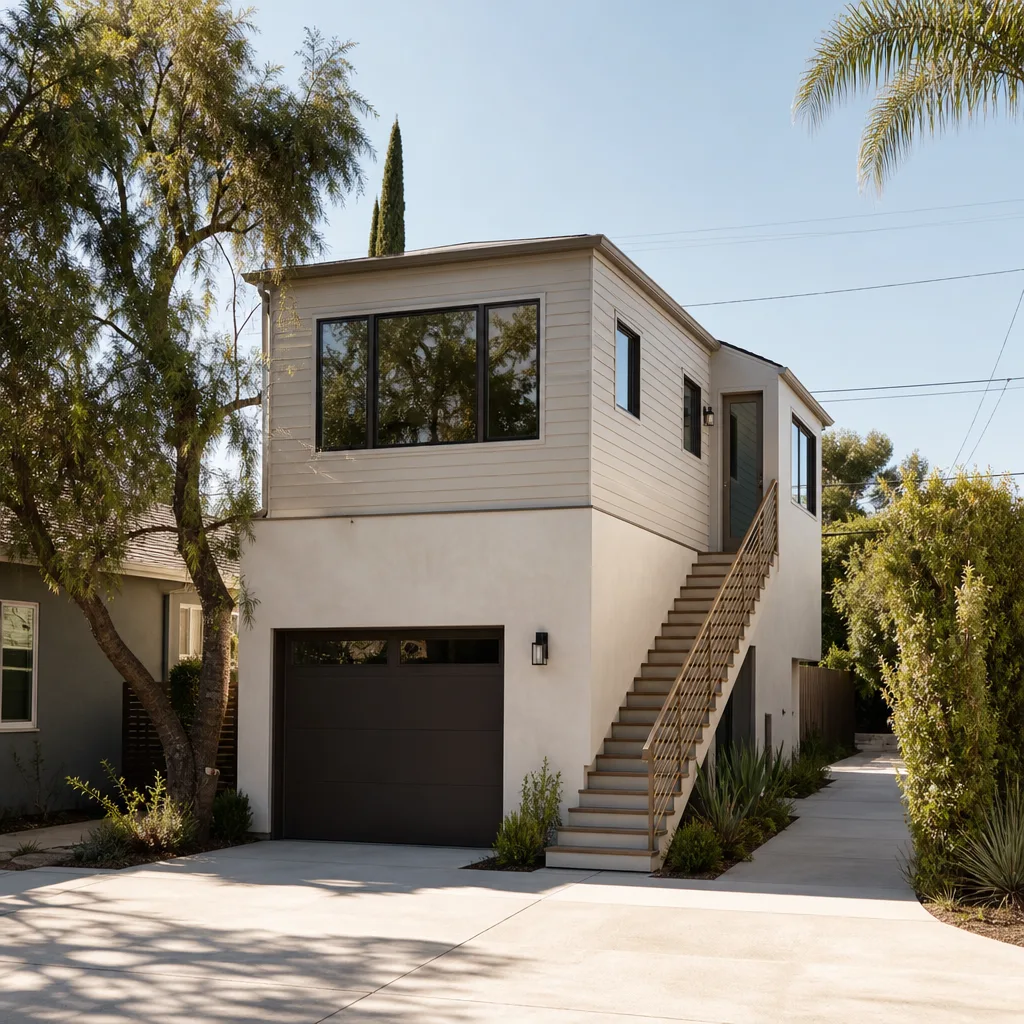
A full junior ADU conversion of a Tuff Shed in Austin runs $85,000 to $135,000. The range depends on three things: the size of your shed, the condition of the shell and foundation, and how much site work the lot requires. That’s not a typo, and it’s not a starting point that creeps. The price we hand you before work starts is the price on the final invoice; that’s how Reed Calloway writes every scope, and it’s how Fielding ADU Austin operates on every job.
Here’s the line item reality, before permit and design fees:
| Scope | Typical Austin Range |
|---|---|
| Foundation & structural reinforcement | $4,000 – $9,000 |
| Electrical rough-in & panel upgrade | $8,000 – $16,000 |
| Plumbing rough-in (wet bar, bath prep) | $7,000 – $18,000 |
| Insulation & air sealing | $3,000 – $6,000 |
| Drywall, paint, trim | $8,000 – $15,000 |
| Flooring & fixtures | $5,000 – $12,000 |
| Mini-split HVAC | $6,000 – $11,000 |
| Windows, door upgrades, flashing | $3,000 – $7,000 |
| Permits & inspections | $2,500 – $5,000 |
We also work with Abodu, Cover, and Dvele on prefab and modular ADU platforms, so if your Tuff Shed’s condition makes conversion the wrong call, we’ll tell you straight and show you the alternative numbers before you spend a dollar on demolition.
The work itself is covered by our 365-Day Done Right Promise. If something fails inside that year, we come back and make it right at no charge. That’s the Garrison Standard: written price up front, permitted work by the book, leave it clean, stand behind it for a year.
DIY or Call Us?
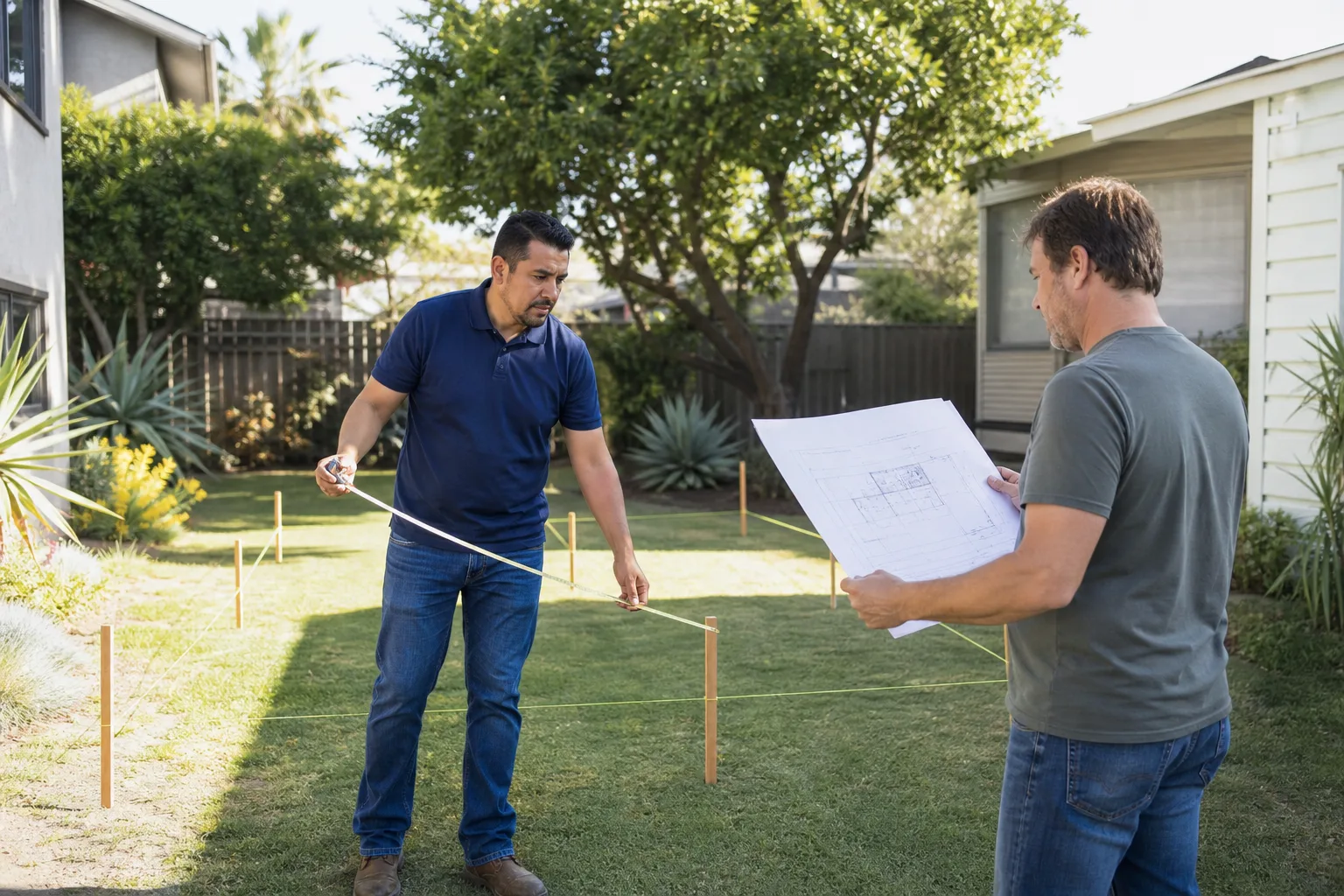
What you can safely check yourself: measure your wall stud spacing and ceiling height, pull the panel cover and read the breaker rating, look for water staining at the base plate, and read the model plate inside the door jamb. That’s enough to tell us what you have over the phone.
What you should not do yourself: run new circuits, cut into the factory framing, relocate the ridge vent, or lift the shed onto new footers. A Tuff Shed shell is a structural system, and once you start modifying it, you’ve taken responsibility for code compliance. We’ve repaired enough DIY conversions in Austin to know the pattern: the owner thought the electrical was safe, the inspector red-tagged it, the whole project stopped for four months, and the final repair cost double what the original conversion would have. Electrical work inside a dwelling unit is not a place to learn by doing. Call (361) 309-9568 and let us put a plan and a price in writing before you touch anything else.
FAQs
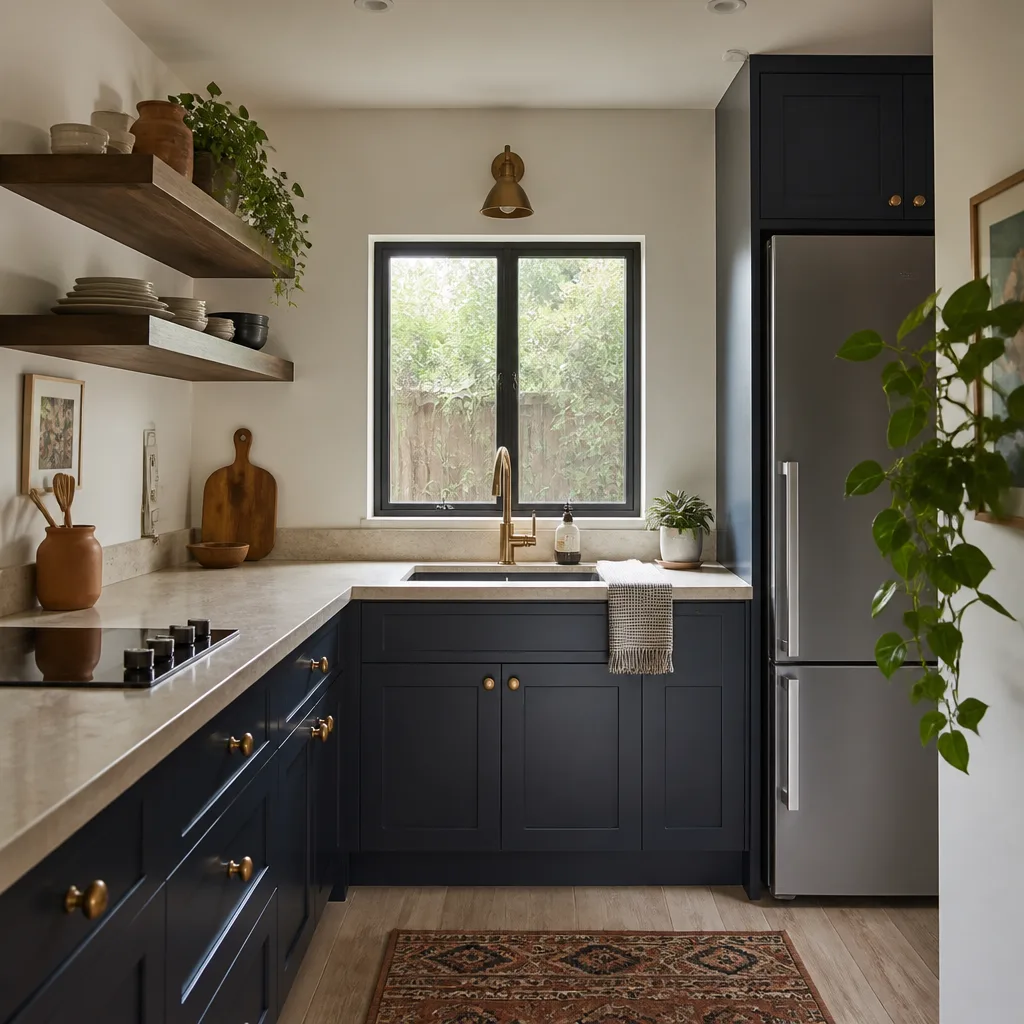
A properly converted Tuff Shed shell should last 30 to 40 years as a dwelling if the envelope is sealed correctly and the HVAC is sized for the space. The failures we see are almost never the shed itself; they’re the conversion layers. Insulation that wasn’t installed with a vapor barrier facing the right direction fails in five to seven years. Flashing that wasn’t re-done around the ridge vents fails in the first hard storm season. Call (361) 309-9568 if you’re looking at a conversion that’s already showing its age – we’ll give you a repair price or a re-conversion price in writing.
Most conversions can be repaired in place without tearing the whole building apart. We’ve fixed moisture problems, undersized electrical panels, and leaking vent work without touching the Tuff Shed shell itself. The exception is structural rot at the bottom plate: if the framing around the floor line has gone soft, you’re looking at partial wall replacement, and that’s the point where a full re-conversion sometimes costs less per square foot than patching. We’ll tell you which one you’re in after a site visit.
Eight to fourteen weeks is the honest range for a full junior ADU conversion in Austin. Permits from City of Austin Development Services typically add two to four weeks before that, and if your lot is in a historic district or you’re requesting a setback variance, the city’s written permission to build closer to the property line than the standard rule allows, the pre-construction review can run longer. We schedule inspections as each phase closes so the job doesn’t stall between trades.
We keep common dimensional lumber, sill gaskets, flashing, and electrical rough-in materials on the truck for Tuff Shed Premier Pro, Premier Tall Barn, and Pro Studio conversions. Specialty items, like code-rated skylight replacements and mini-split line sets sized for your specific shed, are ordered per job, and their lead time is written into your schedule before you sign.
Put it in writing, then do what it says.
If your Tuff Shed junior ADU conversion is failing, or you’re ready to start one the right way, call Fielding ADU Austin at (361) 309-9568. We’ll send someone out, take the measurements, and hand you a written price before any work starts. No missed schedules, no moving numbers, no permit surprises.
Written by Reed Calloway, Owner, Fielding ADU Austin at Fielding ADU Austin, serving Austin and nearby areas.