James Hardie Room Addition Contractor in Austin: What to Know First
Room additions clad in James Hardie siding need a contractor who understands how that material behaves when tied into an existing house. Fielding ADU Austin handles James Hardie room additions in Austin with a written price before any work starts, permitted construction done by the book, and a one-year written guarantee on the finished job. Most additions run eight to sixteen weeks depending on scope, and we give you the real number before you commit. If you own a James Hardie home and want to add square footage, this page covers what actually matters: how the siding integrates, what costs look like, and why the permit process in Austin catches so many out-of-town builders off guard. Call (361) 309-9568 and we’ll walk the job with you.
This page is for homeowners in Austin who already have James Hardie siding on their house and want a room addition that matches it. Not a thin brand page. Not a generic addition pitch. The real information follows.
How James Hardie Products Fail on Room Additions – and How We Fix Them
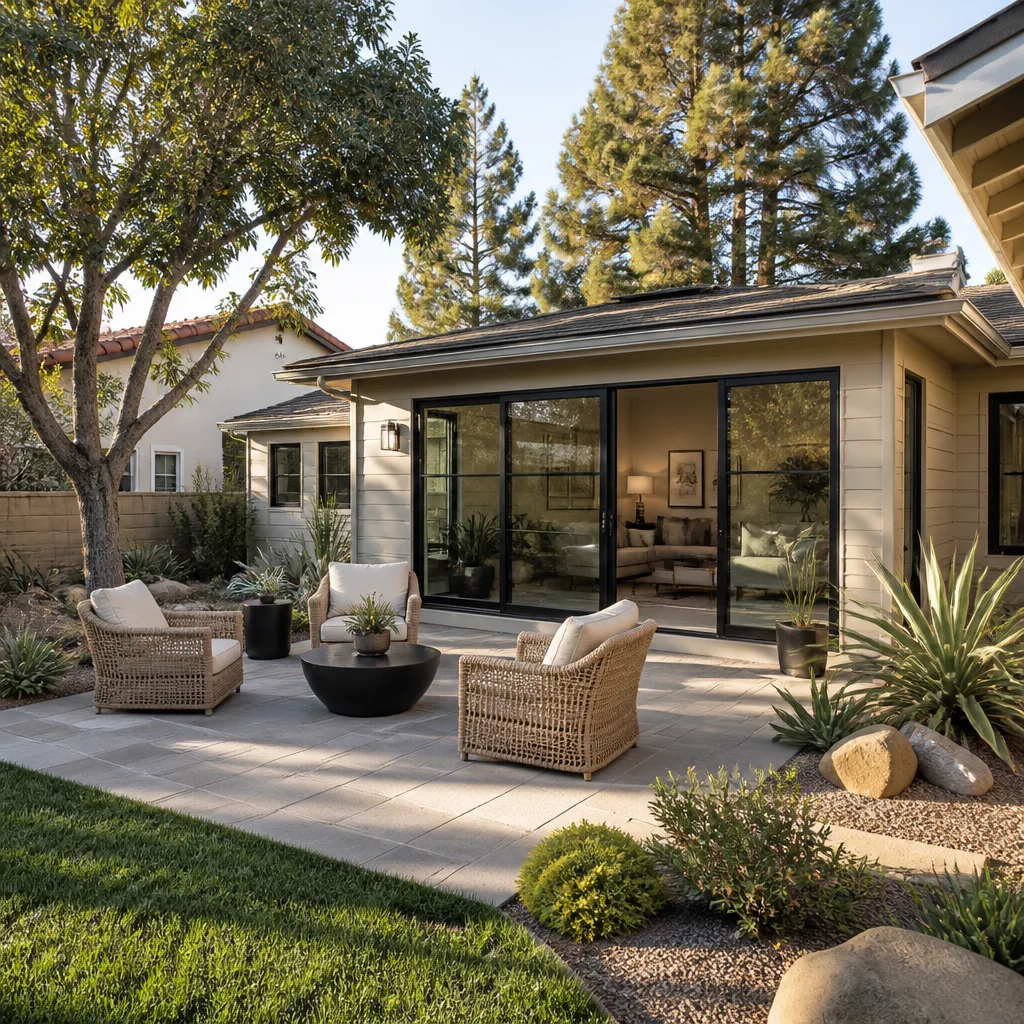
We have torn open enough room additions in Austin to know where James Hardie junctions fail. Here are the five most common problems we see, and what we do about them.
- Improper flashing at the roof-to-wall tie-in on HardiePlank lap siding. Austin gets intense wind-driven rain in spring and fall. When a builder butts the new roofline against existing HardiePlank without a proper kickout flashing, water walks behind the siding and rots the OSB sheathing within two or three seasons. We install step flashing and a hard kickout at every roof-wall junction, then verify the lap joints shed water before closing the wall. This is the single most common failure we correct on room additions tied to existing James Hardie siding.
- HardiePanel vertical siding with wrong fastener pattern. HardiePanel is a 4×8 sheet product, and builders who overdrive nails or use the wrong nail type cause panel edge blowout. In Austin’s summer heat, the panels expand and pull away from the studs, leaving visible waves and open seams. We use the correct 6d galvanized siding nails, maintain the required 3/8-inch edge setback, and inspect panel edges for crushing before the paint goes on. The fix is methodical, not complicated, but it has to be right the first time because the panel is exposed.
- HardieTrim board joints separating at outside corners. HardieTrim is a fiber-cement trim product used at corners, windows, and fascia. Austin’s temperature swings – freezing mornings in January followed by 90-degree afternoons – stress the butt joints. If the trim was installed without the recommended 1/8-inch gap and sealant, the joint opens and water gets behind it. We cut and re-seat the trim boards with the gap and a paintable sealant rated for fiber cement. Looks clean, performs clean.
- Unpainted or under-primed cut edges on HardiePlank. Every factory cut edge must be primed before installation or the substrate wicks moisture. In Austin’s humidity, unprimed cut edges start to swell and delaminate within a year, especially near grade. We prime every field cut on site, including the butt joints hidden inside the lap. Homeowners never see this step, but it is the difference between siding that lasts twenty years and siding that fails in five.
- Wrong clearance at grade and finished concrete. James Hardie requires a minimum 6-inch clearance between siding and finished grade, and at least 2 inches from hard surfaces like walkways and patios. On room additions where the new slab is poured close to the wall, builders often violate this clearance. The bottom course wicks moisture and the paint blisters within the first wet season. We set the finished slab elevation before framing and check clearance again at final inspection. If it’s wrong on your existing house, we correct the regrade or install a proper trim board at the base.
None of these are exotic. They are all avoidable. Most Austin room addition failures we see on James Hardie homes come down to skipped steps and rushed inspections, not material defects.
Our James Hardie Room Addition Contractor Process
We run every room addition the same way, whether it is a 200-square-foot home office off the primary suite or a 600-square-foot family room with a new roofline. The process keeps the permit board honest and the price in writing.
- 1
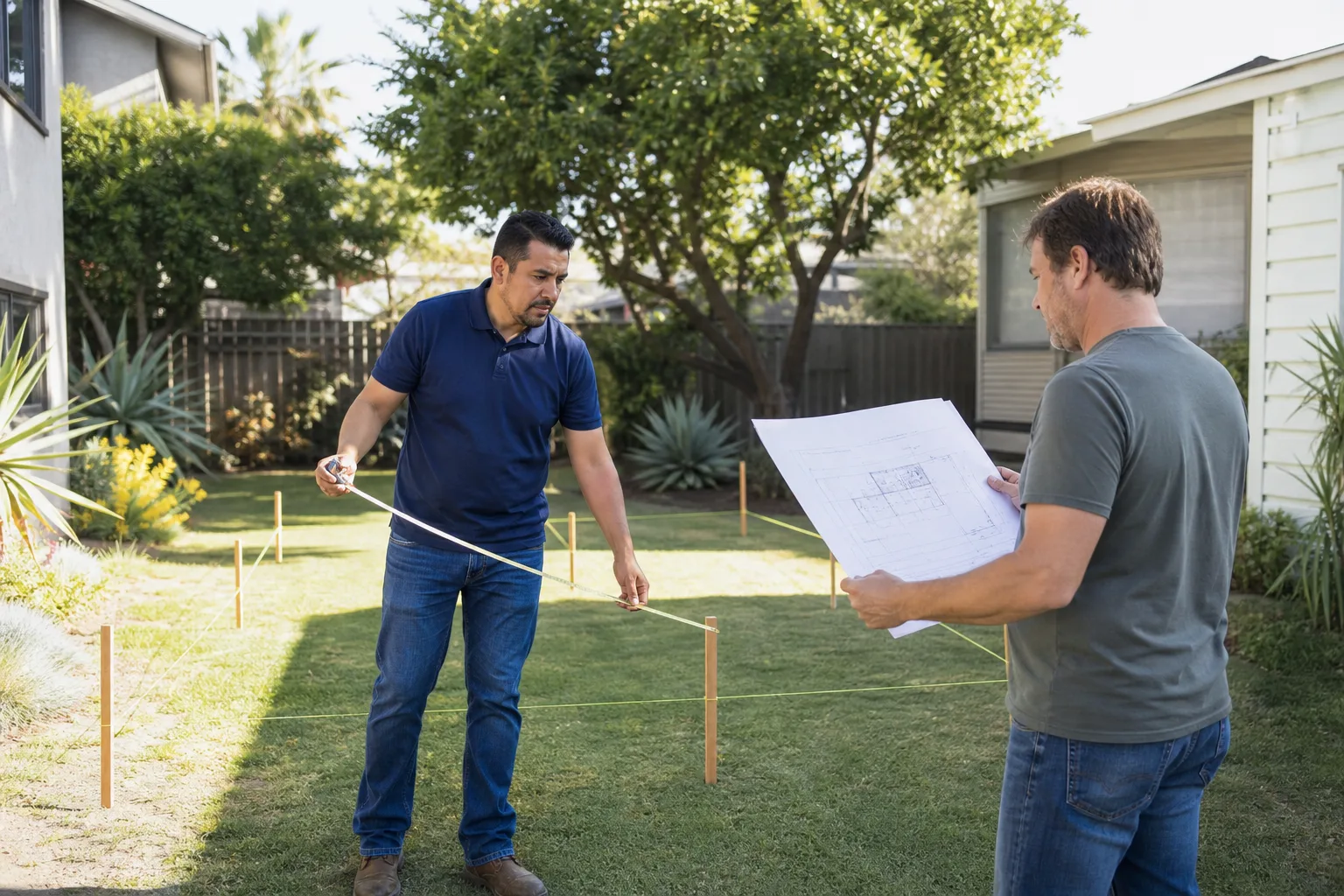
Site walk and scope. Reed Calloway or one of our lead builders walks the property with you. We measure the tie-in points, check the existing James Hardie siding condition, note the roofline, and identify any setback or easement issues before we quote. You get a written line-item price after this visit, not before.
- 2
Permit package and Austin-specific review. We pull the permit through the City of Austin Development Services Department. Austin’s rules on impervious cover, tree protection, and setback variances trip up contractors who build mostly in the suburbs. We know which questions to ask before we file so the permit does not stall.
- 3
Foundation and framing. We pour the foundation to match your existing slab elevation, frame the addition, and tie the new roof into the old roofline. The James Hardie siding goes on only after the framing inspection passes. We do not close a wall until the inspector has signed off on the structure and the flashing.
- 4
Siding match and installation. We order the exact James Hardie product profile and color to match your existing siding. If it is a discontinued color, we tell you upfront and present a repaint scope so the whole elevation matches. No surprises at the end.
- 5
Finishes, inspection, and cleanup. Trim, paint, drywall, electrical trim-out, the final inspection, and a job-site clean that leaves the addition looking like it has always been there. We walk the finished job with you before we ask for the final payment.
- 6
Your 365-Day Done Right Promise in writing. Every addition carries the Garrison Standard: a written one-year workmanship guarantee. If something fails inside that year, we return at no charge and correct it. That is in the contract on day one.
What James Hardie Room Addition Contractor Costs in Austin
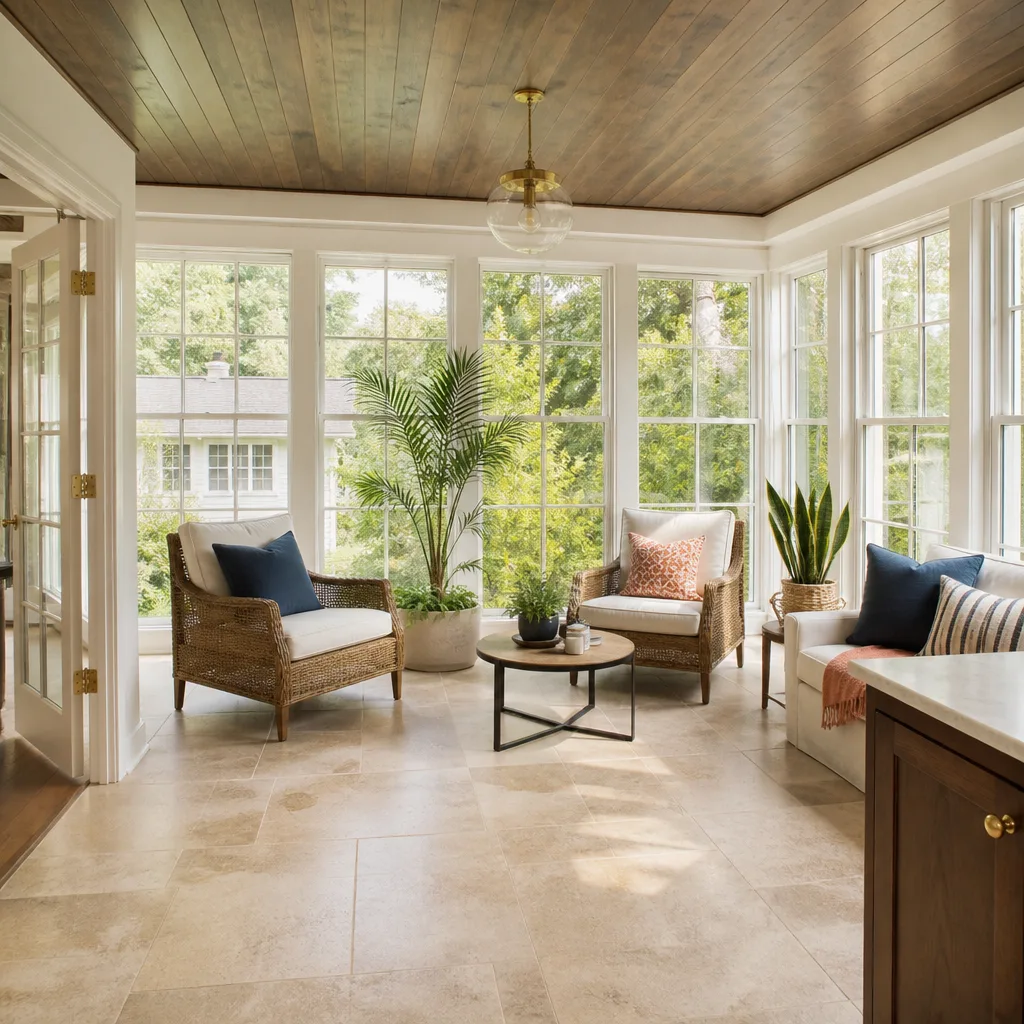
Room additions in Austin run a wide range, and anyone quoting you a single number without seeing the site is not being straight with you. Here are the ranges we typically see on James Hardie homes in this market:
- Small bump-out addition (100 – 250 sq ft, simple roofline, HardiePlank siding match): $38,000 – $75,000 before permit fees.
- Mid-size room addition (250 – 500 sq ft, one or two rooms, new roofline tie-in): $75,000 – $150,000 before permit fees.
- Large addition (500+ sq ft, multiple rooms, foundation and roofline work, James Hardie siding on all new elevations): $150,000 – $300,000+ depending on site conditions and finishes.
What moves the price: foundation type (pier and beam vs. slab on grade), roofline complexity, site access for equipment, tree protection requirements, and whether your existing siding color is still in James Hardie’s current line. Permit fees in Austin run roughly 1 – 2% of construction value and are itemized separately on your estimate. Call (361) 309-9568 and we will put a real price in writing after we walk the job. The estimate is free.
Why Austin Homeowners Call Fielding ADU Austin for James Hardie Work
Most of the calls we get start the same way: the homeowner already tried a contractor, and it went wrong. Missed schedules, a price that moved after demo started, or a permit that never got pulled. They are not looking for the cheapest bid. They are looking for the one that shows up and does what it said.
Here is what we put on the table. The price goes in writing before any work starts, and the number you approve on day one is the number on the final invoice. The Garrison Standard covers workmanship defects for 365 days. If something fails inside that year, we come back and correct it at no charge. Every crew member who steps onto your property is background-checked and uniformed. A live person answers our phone 24 hours a day, seven days a week. No voicemail, no callback queue. Reed Calloway oversees every scope of work personally, because he has seen what happens to homeowners when the scope is vague. His rule: put it in writing, then do what it says.
We also work with leading prefab and modular ADU platforms – Abodu, Cover, and Dvele – so if your room addition is better served by a factory-built module than a stick-built addition, we can present both options honestly and build either one. As an independent James Hardie service provider, we answer to you, not to a manufacturer’s territory map.
FAQs
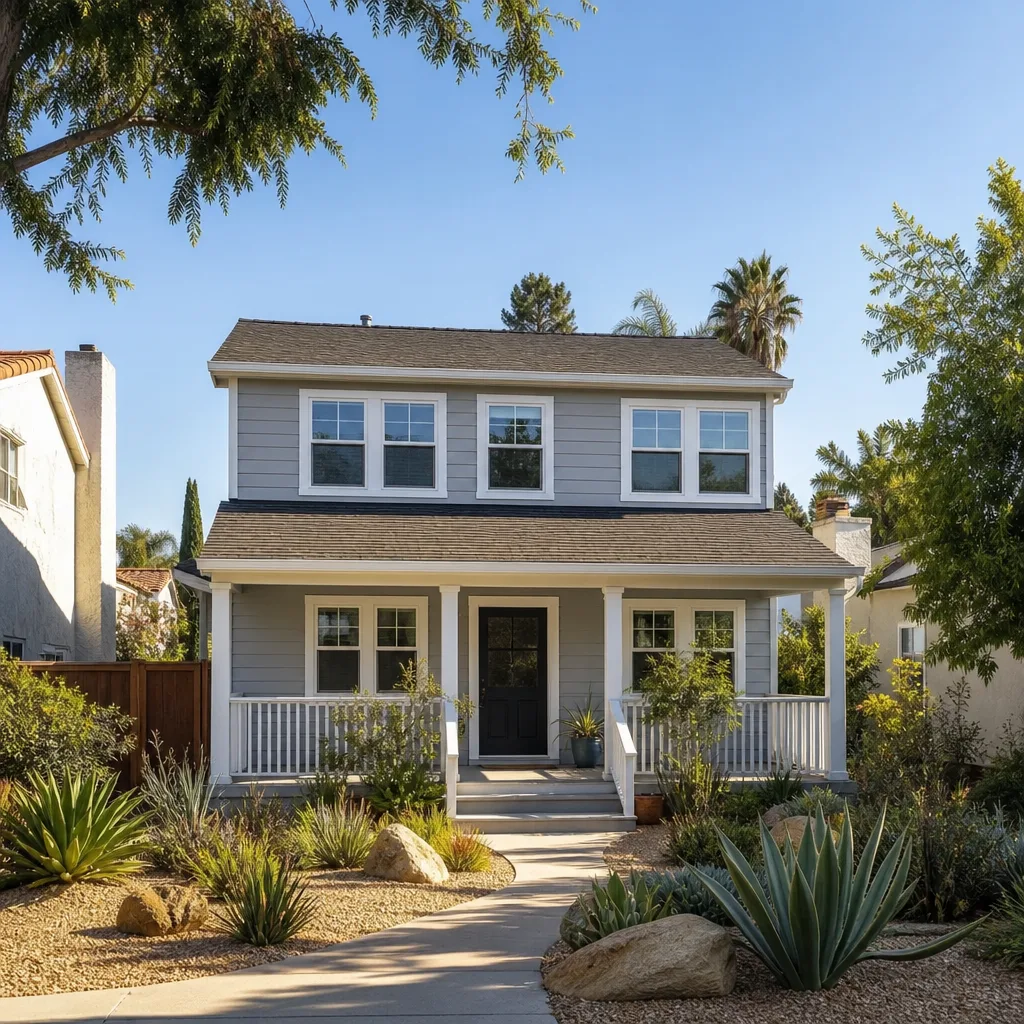
Yes, in most cases. James Hardie offers its ColorPlus technology in a set palette, and we order the exact color from the current line. If your color has been discontinued or discontinued with a variant, we will tell you on the first visit, not after the walls are up. In those cases we typically recommend repainting the tied-in elevation so the addition and the original siding read as one surface. Call (361) 309-9568 and we will check your color stock before we ever sign a contract.
Yes. Every room addition we build in Austin is permitted through the City of Austin Development Services Department, and we do not start framing until the permit is issued and posted. If a contractor tells you a room addition does not need a permit in Austin, walk away. The city requires it, full stop. Reed Calloway knows the Austin permitting process from his years building in this city, and we handle the paperwork from filing to final inspection.
Most additions run eight to sixteen weeks from the day we start digging to final inspection. Permitting before that typically adds two to six weeks in Austin depending on the city’s current review queue. We give you a written schedule with your written price, and we tell you if a concrete pour, an inspection, or a material lead time changes the week-by-week plan. You will not be left guessing.
It can, and we will tell you before you commit. Even with the same color code, new siding sits next to siding that has weathered under the Texas sun for years. On most jobs the difference is subtle and fades as the new material weathers. On older homes, the difference is stark enough that we recommend repainting the affected elevation. We show you both options and price them separately. No surprises at the end.
You call the same number you called on day one: (361) 309-9568. We return, inspect the defect, and correct it at no charge if it is covered under the 365-Day Done Right Promise. The guarantee is written into your contract: what it covers, how long it runs, and how we make it right. One full year, in writing, signed.
Written by Reed Calloway, Owner, Fielding ADU Austin at Fielding ADU Austin, serving Austin and nearby areas.