Plant Prefab New Detached ADU: The Austin Owner’s Guide
We stock and install Plant Prefab-compatible components for new detached ADU builds across Austin, with typical installed component packages running $18,000 – $42,000 depending on model series and site conditions. Most parts are in our local inventory or sourced within three business days. Owners usually discover a failing component during the build itself: a wall panel that arrived out of square, a roof cassette with delamination, or a chassis connection that won’t seat flush on the foundation.
Which Plant Prefab Models This Applies To
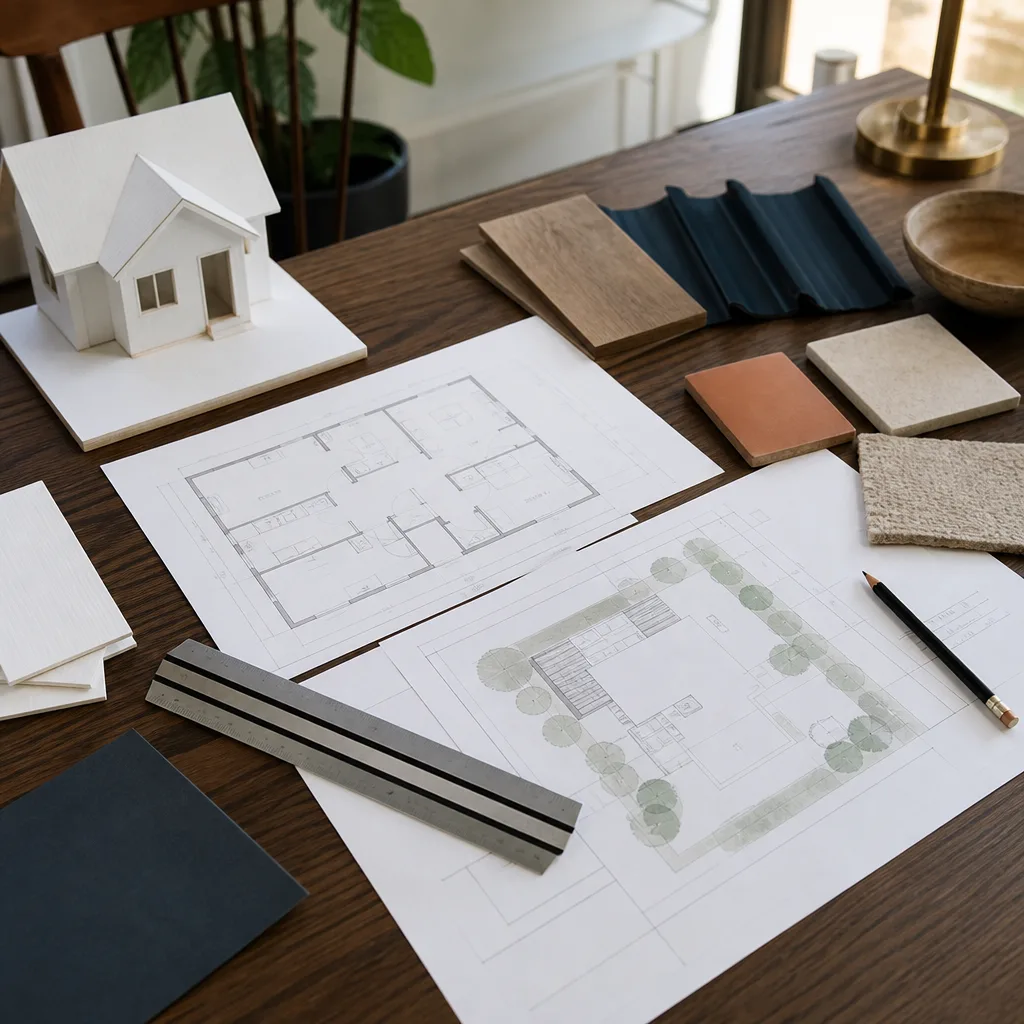
Plant Prefab runs three primary series lines: the LivingHome series (custom, architect-driven designs), the Plant Panels system (structural insulated panels, or SIPs, for walls, floors, and roofs), and their accessory dwelling unit kits built on standardized modules. The compatibility gotcha most Austin owners hit is this: LivingHome modules use a different panel-to-chassis attachment spec than the Plant Panels system, and the two are not interchangeable. We’ve seen homeowners order a replacement corner panel from a salvage listing assuming all Plant Prefab parts swap freely, then find the cam-lock spacing is off by 38 millimeters.
Identify your part by checking the stamped metal tag on the panel edge or chassis rail. It lists the series code, production date, and panel number. If it’s missing, measure the actual panel thickness and the spacing between connection points. For most Austin builds, OEM parts are worth the extra cost when it comes to structural panels and chassis connectors because the factory tolerances are tighter. For flashing, trim, and non-structural components, quality aftermarket equivalents from brands like ProVia and Tamlyn work fine and usually save 20 – 30%.
Signs Your Plant Prefab New Detached ADU Is Failing
- Panel delamination or visible swelling at the edges. Austin’s humidity cycle, wet spring months followed by long dry stretches, stresses the OSB facings on SIPs. Once moisture gets between the foam core and the facing, the panel loses structural integrity and needs replacement, not just patching.
- Chassis-to-foundation gap appearing after storms. Austin’s expansive clay soil shifts with rainfall. If you see daylight under one corner of the module that wasn’t there at install, the leveling connections are binding or the chassis anchor points have loosened.
- Roof cassette seams separating or letting water through. The flat membrane over a Plant Prefab roof cassette can fail at the lap joints first. A visible seam lifting is the earliest warning before a leak shows up inside the ceiling.
- Windows and doors binding or refusing to latch. When the module is racking, meaning the structure is twisting slightly out of square, the first place it shows is fenestration. Doors that used to close with a thumb now need a shoulder.
- Fastener heads popping or rust streaks below panel screws. This tells you the fasteners are working back out under thermal expansion, the Austin summer heat pushing panels through cycles they were not torqued for at the factory.
Replacement Cost & What’s Included
| Component | Installed Range (Austin) |
|---|---|
| Single wall panel (standard, non-structural) | $1,200 – $2,800 |
| Structural wall panel (corner or load-bearing) | $2,400 – $4,800 |
| Roof cassette section | $4,500 – $9,500 |
| Chassis connector or anchor repair | $1,800 – $4,200 |
| Full re-level and re-anchor of module | $6,000 – $14,000 |
What drives the range is whether we’re replacing a single panel or rebuilding an entire corner because the racking compromised the neighboring connections, and whether the module has to be lifted for chassis access. Every written quote from Fielding ADU Austin includes parts, labor, haul-away of the failed panel, and permit coordination. The number on the estimate is the number on the final invoice. The Garrison Standar, put it in writing, then do what it says, has been how we’ve worked since Garrison Partners started in 2006. Replaced components carry the same 365-Day Done Right Promise as a new build: if it fails within a year, we come back and correct it at no charge.
DIY or Call Us?
Some things an owner can safely do: document the damage with photos and measurements, check for visible water intrusion, confirm the panel tag number matches your build docs. That gives us a running start. What we’d caution against: attempting to pull and reset a structural panel yourself. These panels carry wall and roof loads. If you remove a load-bearing panel without the proper shoring, you can drop a section of your ADU. That is not theoretical. We’ve had a job in the Mueller area where a panel popped after a homeowner tried a DIY fix on a Thursday, and we spent Friday through Monday undoing the damage, plus the repair. If you’re seeing any of the signs above, call us at (361) 309-9568. We’ll send someone who knows exactly which Plant Prefab series you’re dealing with, and the trip is free.
FAQs
In Austin’s climate, structural panels and roof cassettes have a realistic service life of 25 – 40 years if properly flashed, sealed, and maintained. The failure point is almost never the panel itself. It’s the seals, flashing, and fasteners, which typically need attention every 7 – 12 years. Non-structural flashing and trim degrade on a shorter cycle, usually 10 – 15 years, because of Austin’s UV levels and the hard rain seasons. If your structure is under ten years old and you’re seeing delamination, that points to an installation or manufacturing defect. Call (361) 309-9568 and we’ll assess it honestly.
If the delamination is caught early and confined to a corner, a structural repair using epoxy injection and panel reinforcement is sometimes feasible. Once delamination spreads across more than 15 – 20% of the panel face or the exterior sheathing has started to rot, replacement is the honest call. Patching a structurally compromised panel leaves the same load path weakness in place, and what fails later will fail worse. We’ll tell you which route applies to your panel without pushing a replacement you don’t need. Estimates are free.
A single non-structural panel swap typically takes one day on site, with the panel sourced ahead of time. A roof cassette section runs two to three days including the re-flashing and membrane work. A full re-level and re-anchor of a shifted module is a three-to-five-day job, most of it the careful jacking and shimming to bring everything back into plane. Permitting for structural work in Austin adds about one to three weeks depending on the review queue. Call (361) 309-9568 and we’ll give you a written schedule after the first look.
We keep common non-structural components in local inventory, flashing, fasteners, sealants, standard trim profiles. Structural panels and roof cassettes are ordered to the exact factory spec, which usually lands in three to five business days. We also work regularly with Abodu, Cover, and Dvele components, so if you have a second structure from one of those platforms, we can assess it on the same visit. We’re an independent service provider, not affiliated with Plant Prefab, which means we tell you when an OEM part is the only right call and when an aftermarket equivalent will do the job for less.
If you own a Plant Prefab ADU in Austin and something looks wrong, call (361) 309-9568. Reed Calloway and the crew will take a look, put the price in writing, and leave the site clean. That’s the way we work here.
Written by Reed Calloway, Owner, Fielding ADU Austin at Fielding ADU Austin, serving Austin and nearby areas.